$40
Buy Now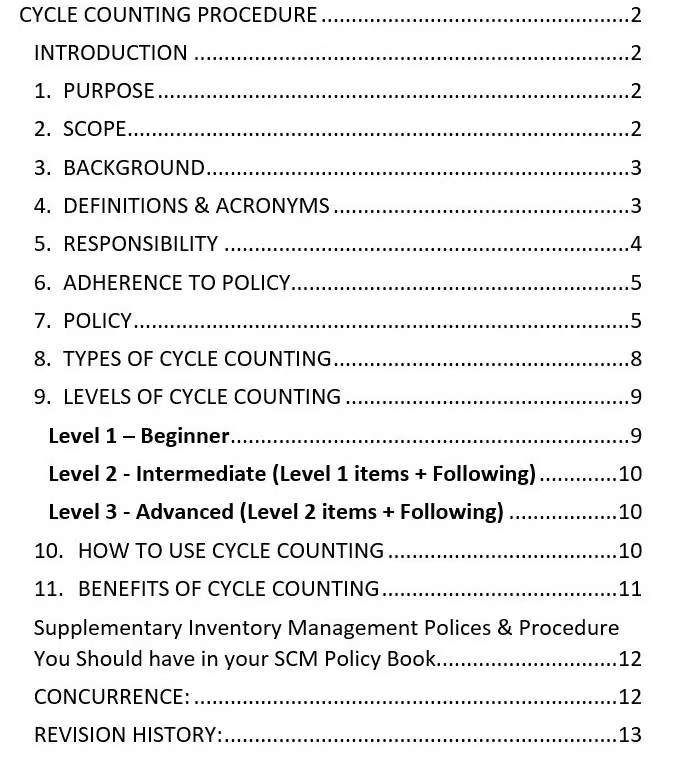
The objective of this Cycle Counting Procedure is to establish guidelines and requirements for the implementation of Cycle Counting Programs across all business processes and sites.
The primary purpose of the Cycle Counting Program is to address discrepancies in quantities identified within warehouse stocks. These quantities are physically present within the warehouses. The Cycle Counting procedure is recommended to enhance the effectiveness of audits and minimize the challenges associated with physical counting.
Cycle Counting Procedure Benefits Upon Implementation:
- Upon implementation, this Cycle Counting procedure addresses the root causes of inventory discrepancies and promptly takes corrective actions to mitigate or reduce future occurrences.
- =””>=””>el=”</yoastmark”>”</yoastmark”>”</yoastmark”>”1″>Businesses often favor Cycle Counting over physical inventory counts due to their reduced disruption of daily operations, ongoing assessment of inventory accuracy, and adaptability to various items.
- Frequent cycle counting reduces the intervals between physical counts for specific items. This approach facilitates the identification of opportunities to thoroughly diagnose the causes of discrepancies and to provide guidance on rectifying human errors before systemic issues emerge.
The cycle counting procedure comprises 13 pages with a word count of 3027. It is available in both Microsoft Word and PDF formats, enabling you to tailor it to your own business needs.
This Cycle Counting Procedure will aid in defining key criteria, such as the frequency of counting high-valued items based on their value, acceptable loss criteria, or the level of focus required in areas where inventory management issues have been identified.

Benefits of the Cycle Counting Program
Traditionally, organizations would often halt operations during stock-taking periods to ensure completion within the shortest time frame possible. This consideration entails timing considerations that affect trading and result in overtime expenses. However, this program resolves numerous such challenges and additionally provides the following cycle counting benefits:
- Accurate and Informed Decision-Making.
- Assistance with Distribution, Production, and Stocking Decisions.
- Enhanced Customer Services.
- Minimal Staff Disruption.
- Reduced Process Disruptions.
- Expedited Corrective Actions.

You can further reap benefits by exploring “Stocktaking: The Ultimate Guide (Stocktaking Procedure).”
If your country does not have PayPal, you can download it from this Gumorad link.
Access our Best Practices on our Website!
Make vs Buy Analysis Real-Life Excel Model
Deciding whether to manufacture in-house or outsource a product or service is one of the most critical decisions a business can make. SCMDOJO’s Make vs Buy Analysis Tool is designed to provide a comprehensive, data-driven framework to evaluate both quantitative costs and qualitative factors, ensuring your organization chooses the path of maximum value and minimum
Spend Analytics Tool
The Spend Analytics Tool Built the Way Procurement Consultants Actually Work Stop building spend reports from scratch every quarter. This plug-and-play Excel template gives you a fully structured, dashboard-ready spend analytics tool — supplier breakdown, category analysis, regional spend, OTD KPIs, and payment terms intelligence — all from a single data paste. What is Spend
Logistics Operations Risk Assessment
At SCMDOJO, we understand the complexities of logistics risk management, which is why we have designed a Comprehensive Logistics Operations Risk Assessment Template—a structured and insightful tool that helps businesses identify, evaluate, and mitigate key risks across all levels of logistics operations. In today’s fast-paced supply chain environment, logistics operations are exposed to a wide
Procurement Risk Assessment
Why do you need Procurement Risk Assessment? Procurement is one of the most critical functions in any organization, directly impacting cost efficiency, supplier performance, compliance, and overall supply chain stability. However, procurement operations are constantly exposed to risks—ranging from supplier failures, financial mismanagement, contract disputes, regulatory compliance challenges, and technology failures to cybersecurity threats. At
Ratings and Reviews
What's your experience? We'd love to know!
Write a ReviewNo reviews found.