$20.00
Buy Now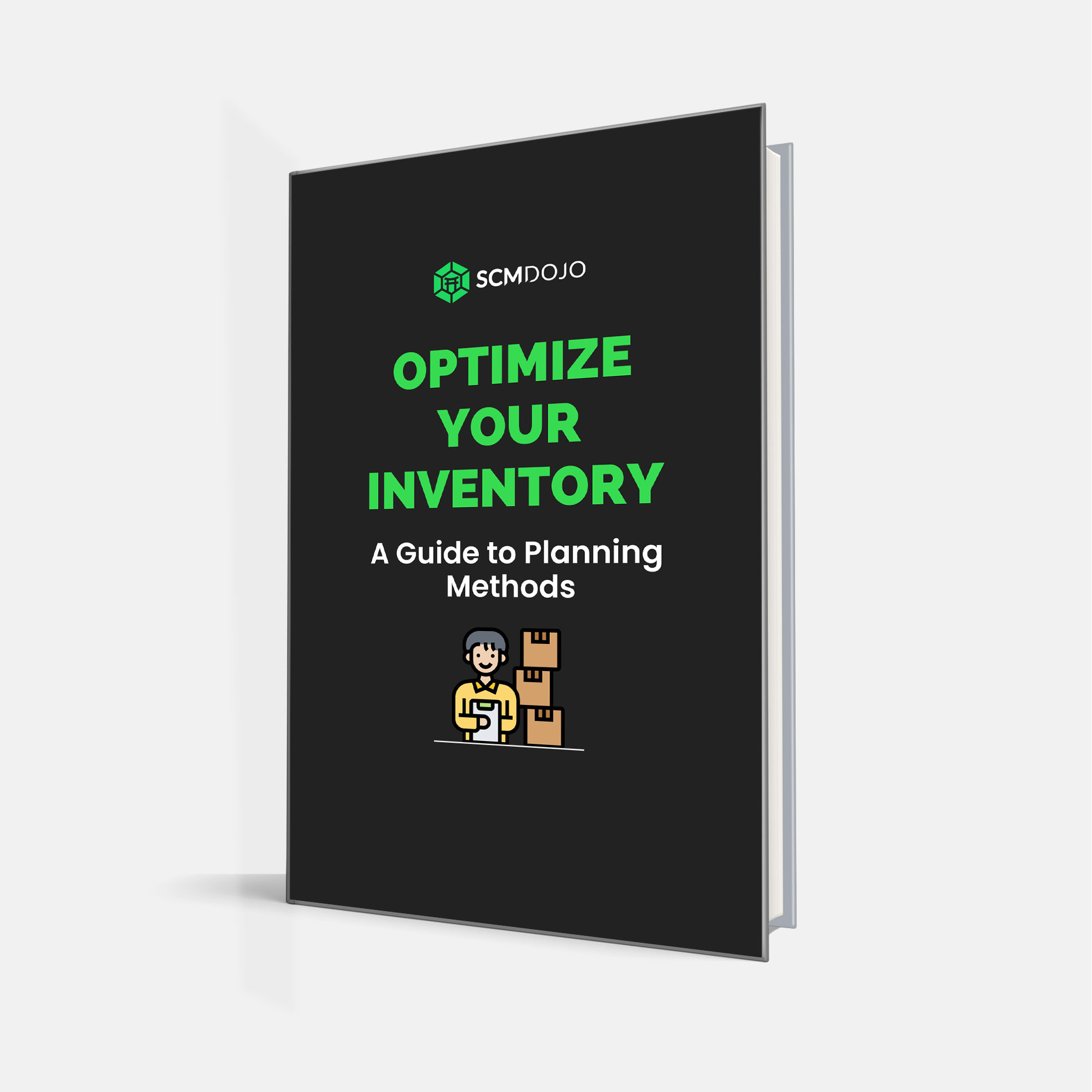
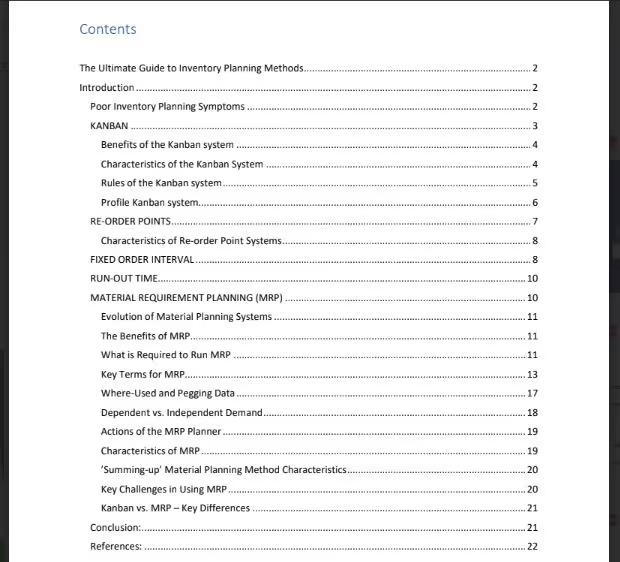
This guide aims to describe the present use, application and characteristic of selecting various inventory planning methods and to explain how the methods are applied by supply chain professionals.
Poor Inventory Planning Symptoms
Before we dive into methods of inventory planning, we need to understand what are the symptoms and implications of using poor or no inventor planning methods:
- Increasing numbers of back-orders (also known as past dues)
- Increasing investments monetarily while no growth in sales
- High Customer Churn or low customer lifetime value
- Poor customer service or a high number of order cancellations
- Lack of sufficient warehouse and storage space
- Lack of proper production capacity capitalization
- Worsening relationships with key customers and distributions
- High qty of obsolete stock and/or high inventory which you don’t need
With inventory planning, the significant functions comprise demand analysis and order of new inventories.
This Guide Includes Following Methods:
- Kanban
- Re-order points
- Fixed Order Interval
- Run-out time
- Material Requirement Planning (MRP)
Most Inventory Planning methods can be used in manufacturing as well as in the distribution industry.
These methods should be seen at a tactical planning level. It concerns balancing supply and demand and deals with the initiation, control, and monitoring of manufacturing and purchasing orders to keep the material flow and the value-adding activity in manufacturing going on without interruptions.
The guide comprises of 23 pages and over 4000 words with picture illustrations and easy to understand bullet point concepts.
You can also buy the Inventory Planning Guide along with Inventory Optimization Tool and Excess and Obsolete Inventory Policy as a bundle with a further discount, giving you a full tool set for your Inventory Management Methods.
Considering that the planning environment and the way an inventory planning is applied has a major influence on how efficiently and effectively it can be used, it is of interest to know more about which inventory planning methods companies use, in what planning environment they use them, how they use them and how successfully they can be used.
Access our E-Books on our Website!
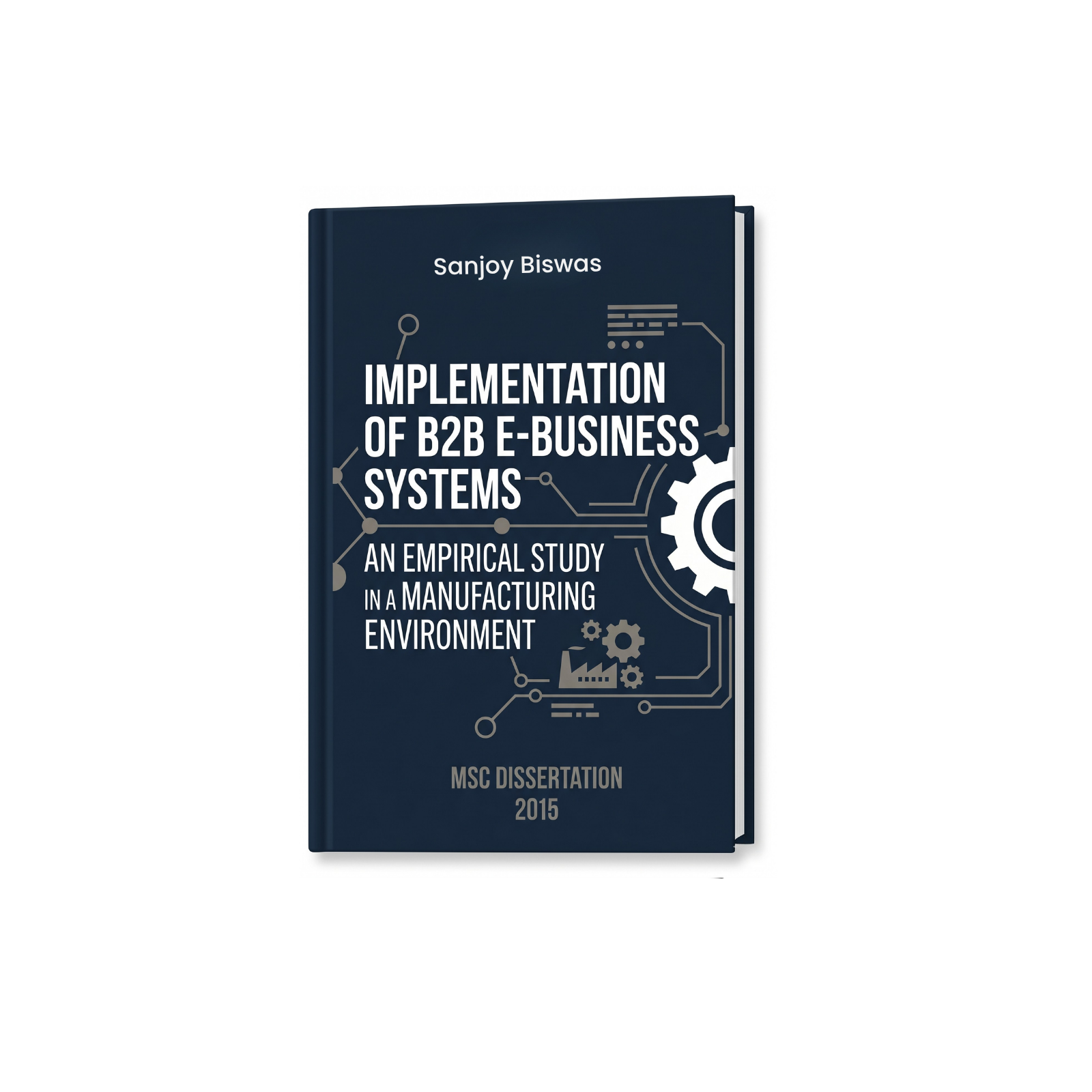
Implementation of B2B e-Business systems: An Empirical Study in a Manufacturing environment
Implementation of B2B e-Business systems : An Empirical Study in a Manufacturing environment This Master research presents an analytical and practical framework for the design of Supply Chain, e-Business, and Organisational Change Management. To achieve this, the study establishes an inter-relationship between these three areas. Furthermore, the work draws on research conducted at the University
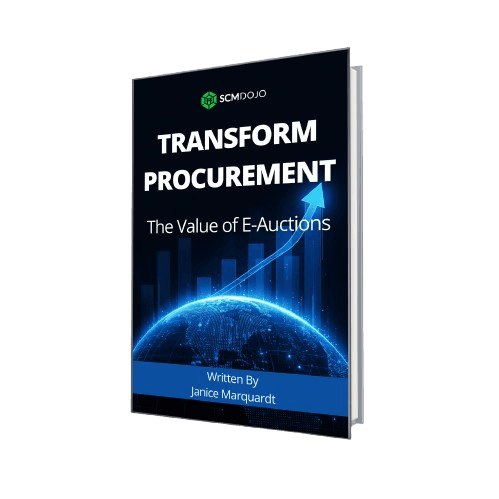
TRANSFORM PROCUREMENT - THE VALUE OF E-AUCTIONS
Unlock the Secrets to Successfully Implementing an e-auction Program: How to Increase Supplier Transparency, Reduce Costs, and Improve Your Supply Chain Maturity. This book will change the way you approach procurement and revolutionize your supplier negotiations. Don’t miss out on the opportunity to transform your supply chain and bring value to your business. Here’s why
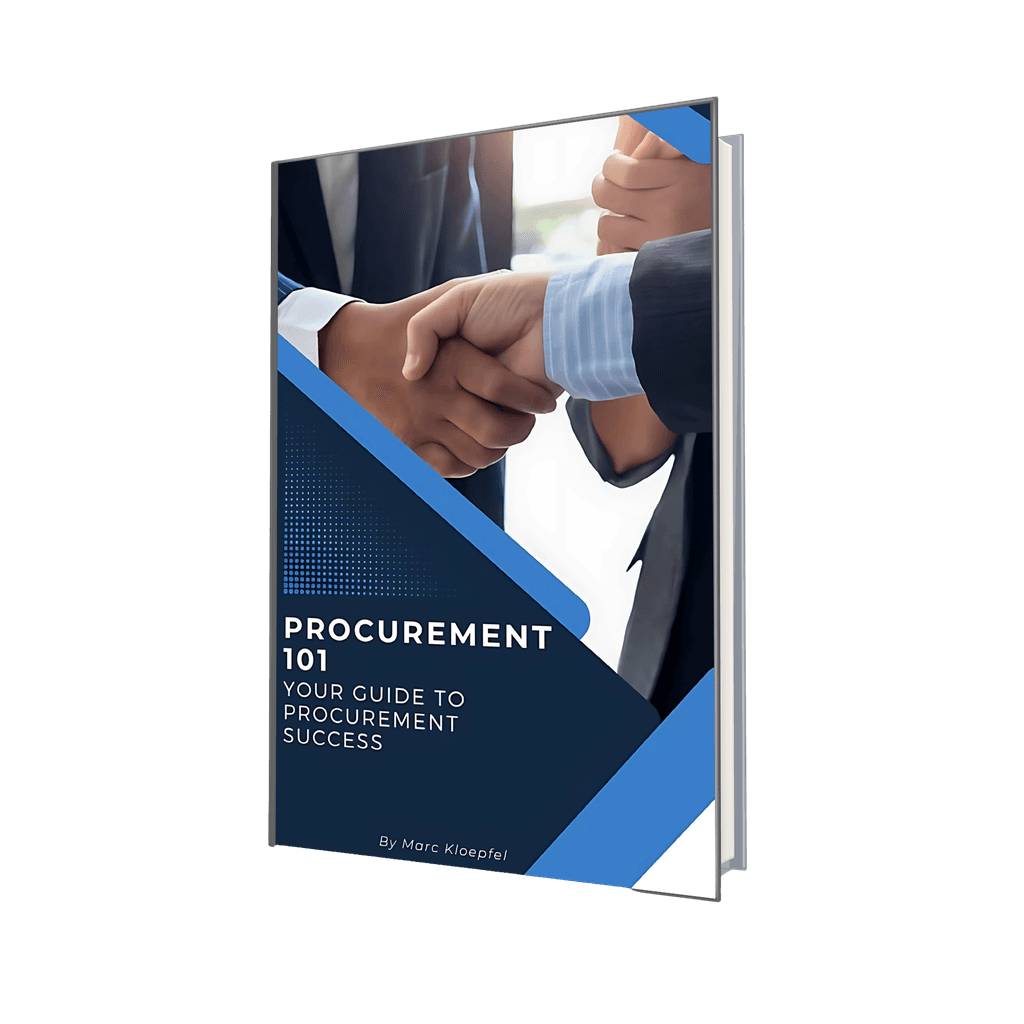
PROCUREMENT 101: YOUR GUIDE TO PROCUREMENT SUCCESS
Procurement 101: Your Guide to Procurement Success by Marc Kloepfel offers a practical roadmap to mastering procurement. Drawing on over 25 years of international experience, Marc reveals the strategies, tools, and mindset needed to elevate your procurement game. From aligning procurement with business goals to mastering negotiation, technology, and sustainability, this eBook empowers professionals, students, and supply chain leaders alike to drive real impact and achieve lasting success.
Artificial Intelligence in Procurement - Volume 2
Artificial Intelligence in Procurement is revolutionizing how organizations source, negotiate, and manage suppliers. In this groundbreaking eBook, Artificial Intelligence in Procurement Volume 2, Marc Kloepfel — a global procurement leader with over 25 years of experience — explores how AI is transforming strategic sourcing, supplier relationships, and cost optimization. Building on the insights from Volume
Ratings and Reviews
What's your experience? We'd love to know!
Write a ReviewNo reviews found.